Case Study · Warehousing & Fulfillment
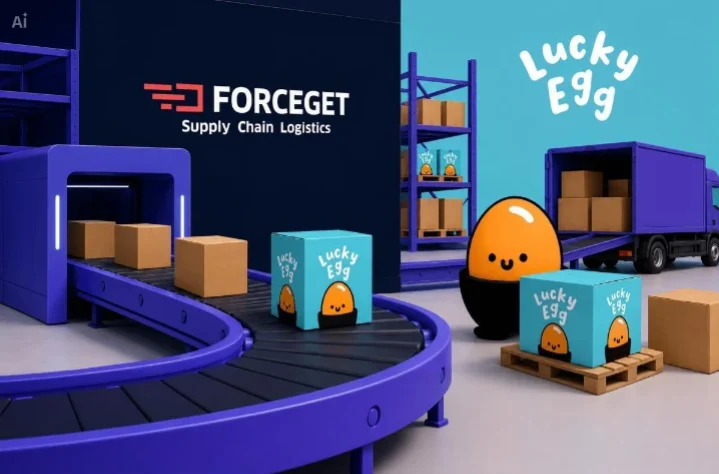
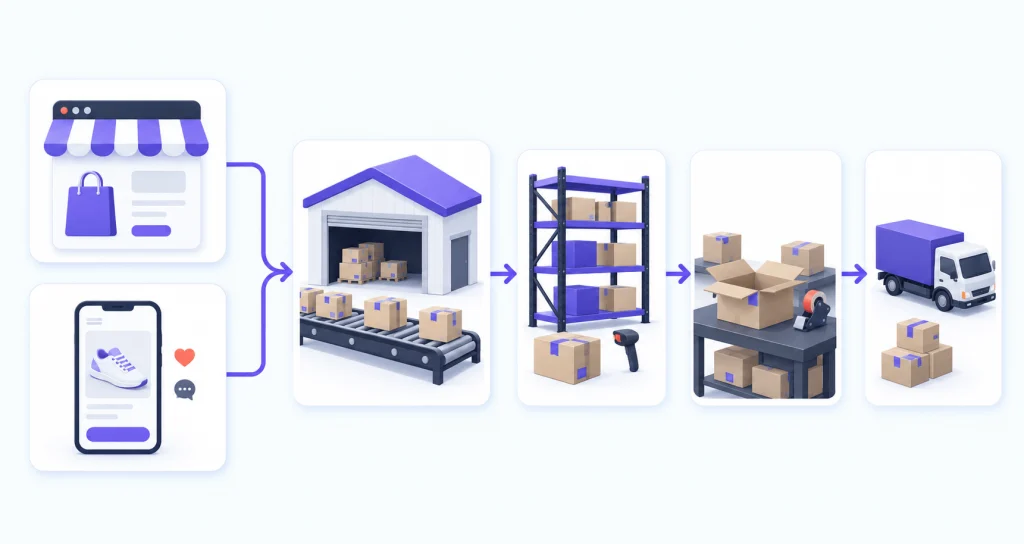
Lucky Egg already trusted Forceget with its international freight. When the brand brought warehousing and fulfillment into the same partnership, the project involved transferring 210 pallets and connecting two storefronts to the warehouse system, with no days of interrupted fulfillment during the move.
About Lucky Egg
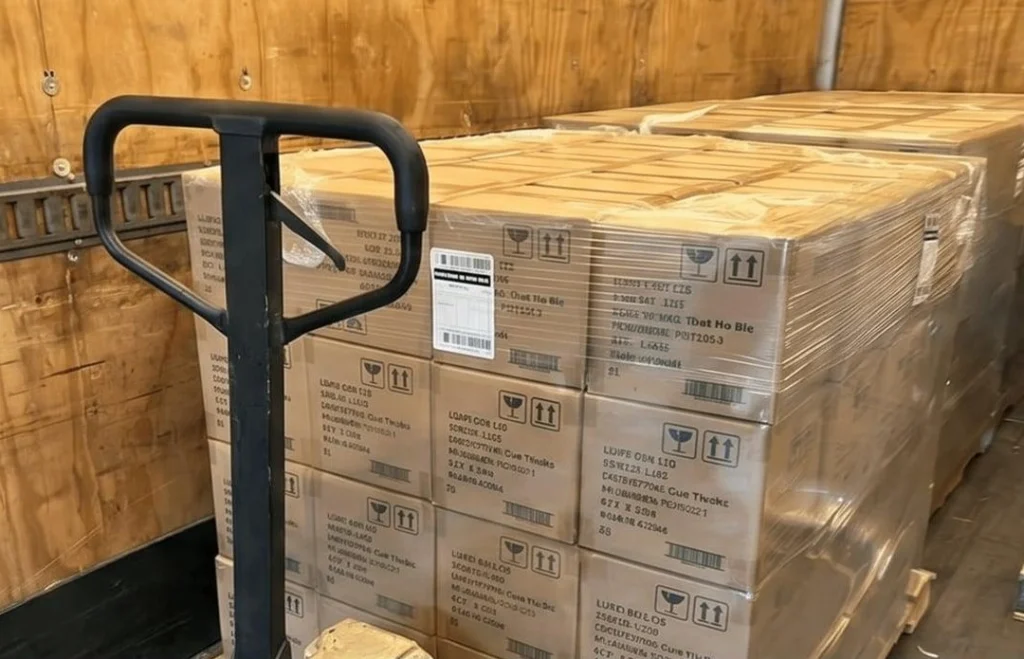
Lucky Egg is a European ecommerce brand selling physical consumer products into the US market. It runs a multichannel model, combining direct-to-consumer storefronts on Shopify and TikTok Shop with marketplace sales through Amazon FBA and Walmart, at a sustained volume of 200 to 300 orders a day.
Shopify and TikTok Shop orders need to move from checkout into picking, packing, and dispatch. Amazon FBA replenishment and Walmart sales bring their own operational requirements. For Lucky Egg, the warehouse transition needed to protect ongoing order flow while establishing accurate stock records at the new location.
Before the warehouse project, Forceget supported Lucky Egg through freight forwarding, including ocean freight in LCL and FCL shipments, air freight, courier services, and domestic trucking in the US.
The problem: freight and storage under two different roofs
Forceget handled incoming freight while a separate, nearby 3PL stored Lucky Egg’s inventory and picked its orders. That arrangement split responsibility between the movement of goods and the warehouse work that followed.
The proposed move would bring those activities together. Shipment arrivals, receiving counts, storage, and order preparation could be coordinated within the same account relationship. The transition still needed careful planning: the inventory had to move while orders continued to come in.
The goal: transfer 210 pallets, connect the storefronts, and keep fulfillment running.
Consolidating under one operator
Sales representative Tunahan and CEO Burak discussed extending the existing freight relationship to include warehousing and order fulfillment. With Forceget’s warehouse close to the incumbent 3PL, the team proposed a local inventory transfer and lower ongoing storage rates.
The economics worked in both directions:
- Free inbound trucking. Forceget moved the pallets from the incumbent 3PL on its own fleet. The transfer carried no line item for Lucky Egg.
- Lower ongoing storage rates than Lucky Egg was paying at the previous warehouse, with storage and freight coordinated through the same partner.
After several meetings, Lucky Egg agreed to move 210 pallets.
The transition: 210 pallets, received one at a time
COO Nihan and CEO Burak put senior operations leadership on the floor for the move: Julian, Warehouse Manager, and Sebastian, US Operations Manager, both on site for the duration of the transfer.
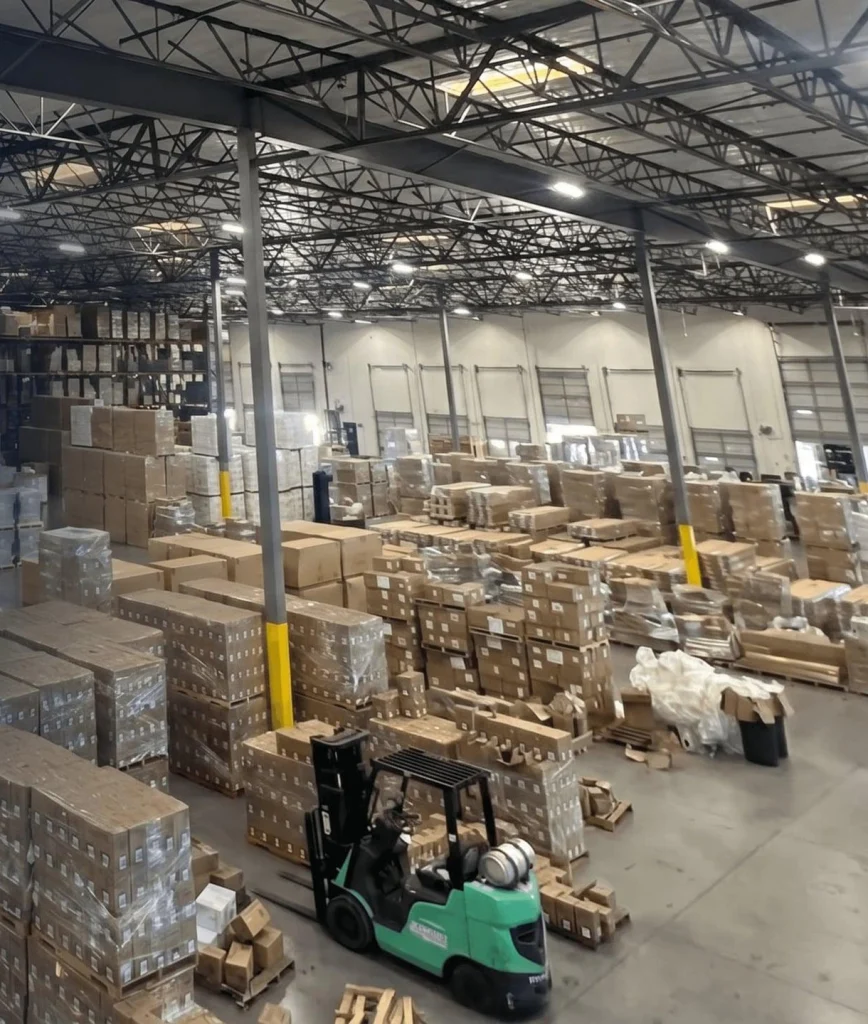
Every arriving pallet was checked and counted against the expected manifest before putaway. The team reconciled the incoming inventory pallet by pallet so the new operation started with a verified receiving record.
That receiving work established the foundation for inventory management after the move. Accurate SKU counts help the warehouse identify available stock and investigate discrepancies before they affect picking. With 200 to 300 daily orders in the operation, reliable opening balances mattered from the first day.
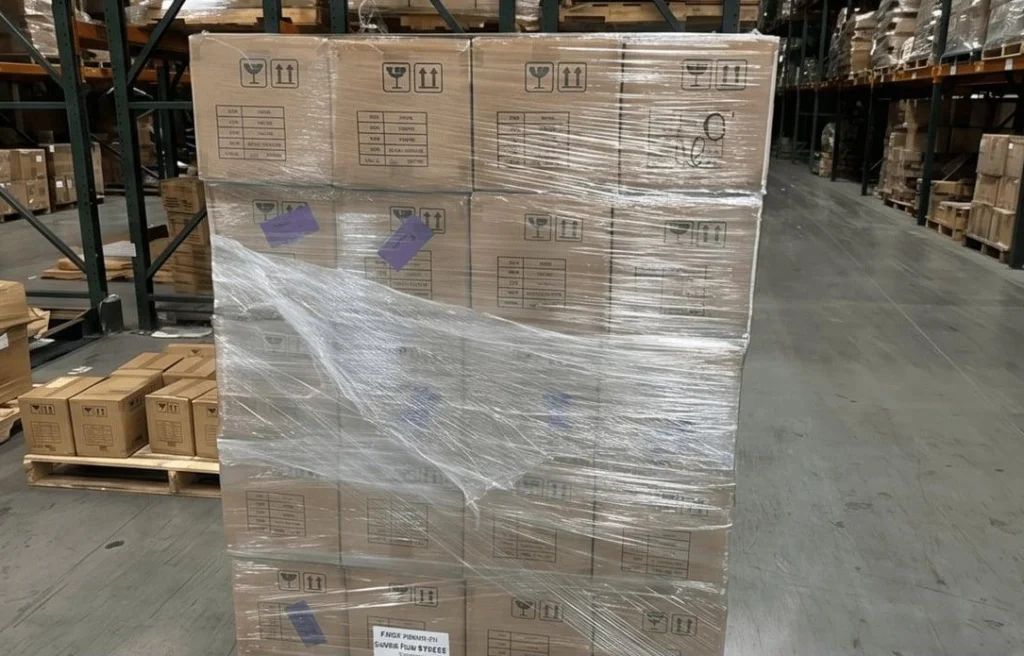
Some cargo arrived loose and was palletized by SKU during receiving. Grouping those products by SKU made the stock easier to identify and organize for subsequent picking, connecting the physical transfer with the inventory records needed for fulfillment.
Running freight and fulfillment through two providers?
Compare your current freight, storage, and fulfillment setup against your actual order mix with a free fulfillment audit.
Connecting Shopify and TikTok Shop to the WMS
Forceget’s IT team connected Lucky Egg’s Shopify and TikTok Shop storefronts to its warehouse management system (WMS). Orders from either store enter the warehouse fulfillment queue automatically, giving the team a direct connection between customer purchases and warehouse execution. Lucky Egg can follow inventory and fulfillment progress in real time. Alongside the receiving checks, these integrations connect three parts of the workflow: verified stock, incoming orders, and fulfillment status.
A dedicated warehouse specialist and shared Slack channel were also in place from the first week. The software provided operational visibility; the account team handled packaging questions and exceptions that needed a decision. Lorna Cruickshank’s testimonial below highlights both sides of the setup: responsive communication and software that gives Lucky Egg a clear view of freight and warehousing. That combination is central to how the brand uses Forceget’s technology alongside its physical services.
The packaging decision
Before go-live, Forceget assessed four packing formats against Lucky Egg’s SKU mix, considering product weight, protection needs, and packaging expense. The table summarizes the options compared for this project; suitability and relative pricing depend on the product and material specification.
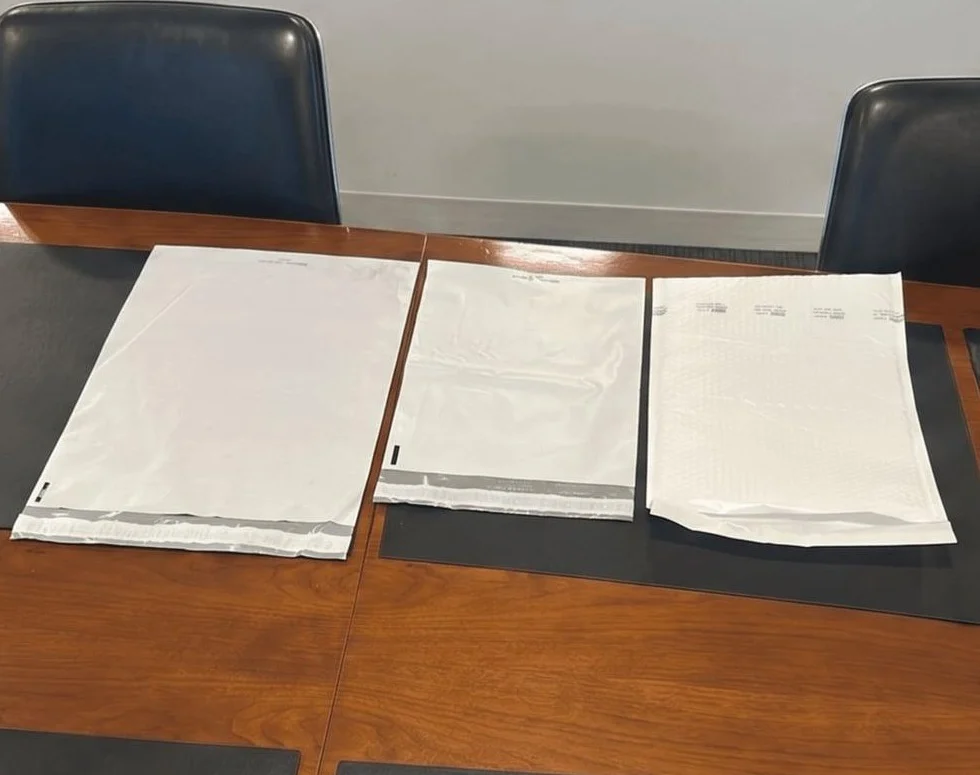
| Packaging type | Description | Cost tier | Best for |
|---|---|---|---|
| Standard polybag | Plain plastic bag, no padding. Needs taping to fit the product size. | Lowest | Soft or light items such as apparel |
| Bubble polybag | Plastic bag with a thin bubble wrap lining. | Low to mid | Small fragile products |
| Polymailer | Thicker plastic envelope, better durability. | Mid to high | Branded or heavier ecommerce products |
| Bubble polymailer | Strong envelope with built-in bubble wrap. | Highest | Fragile or premium goods |
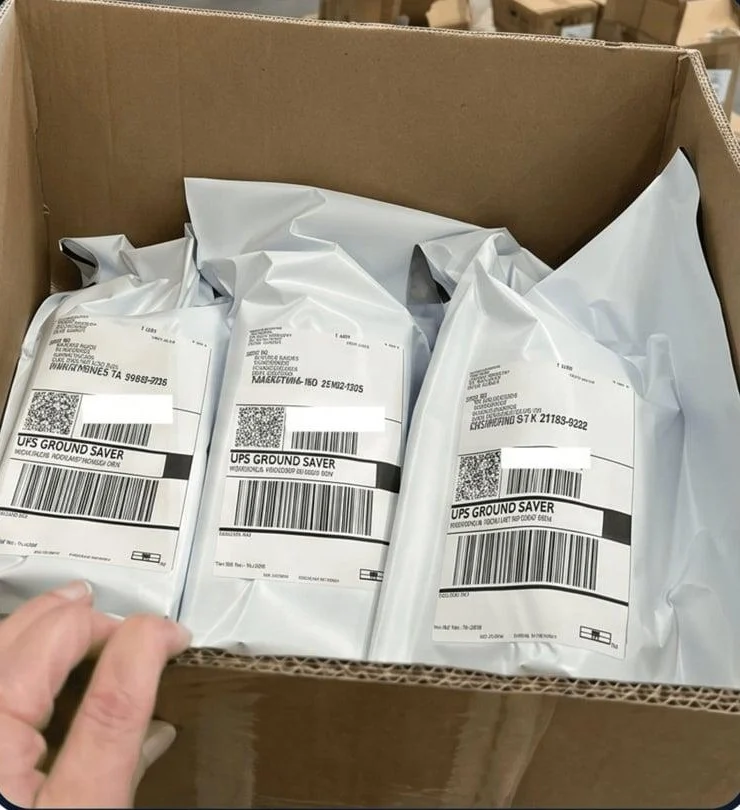
Forceget selected the Bubble polybag to balance product protection and packaging expense for Lucky Egg’s order mix. The decision gave the packing team an agreed format to use when preparing the relevant products for dispatch.
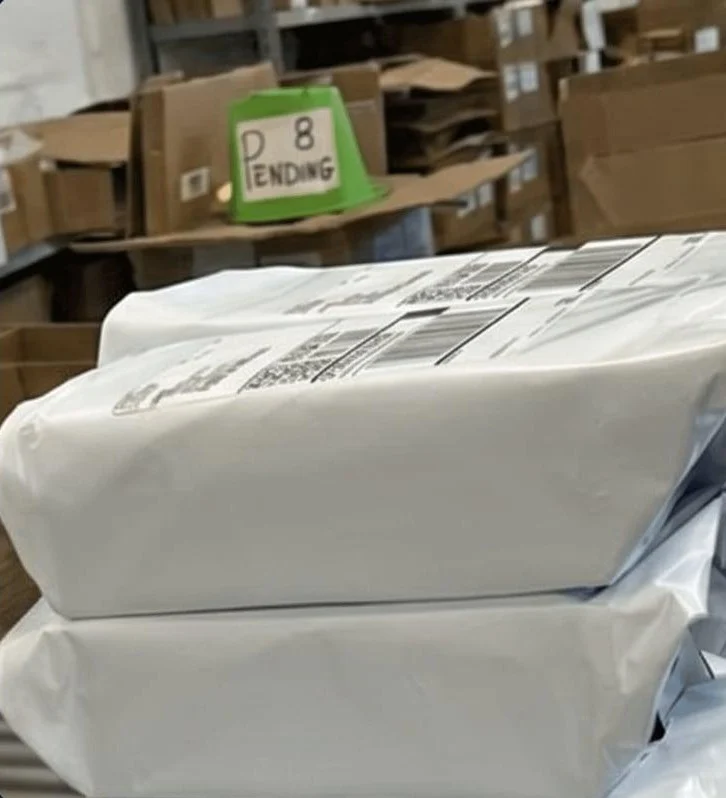
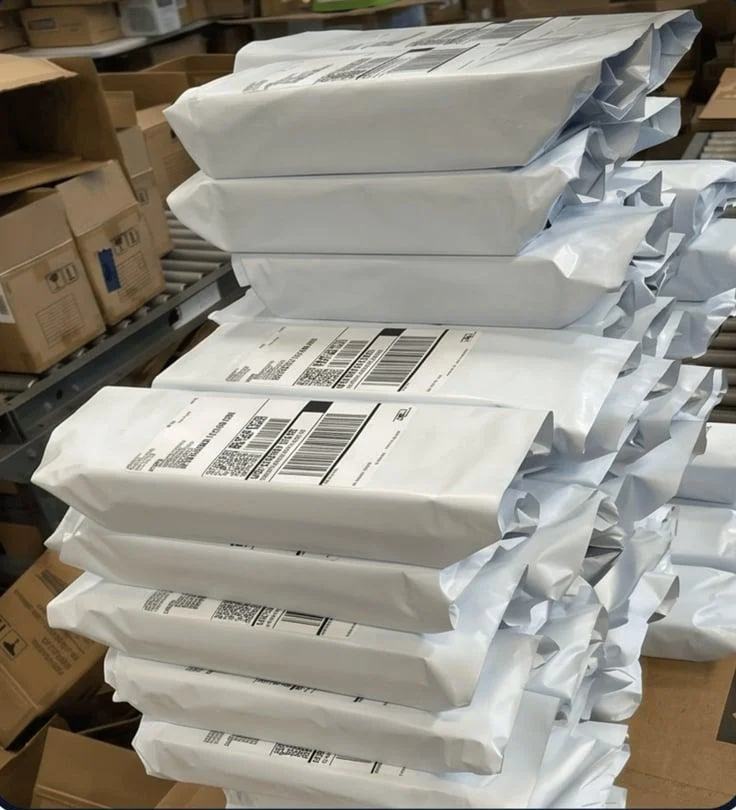
On the packing line, excess bag material is folded and sealed to keep packages compact. Final packed dimensions matter when carriers calculate dimensional weight. This step supports consistent packing, although any shipping savings depend on the measured package size and applicable carrier rates.
The results after one month
One month in, the operation was running to plan. Orders were going out on time, and Lucky Egg’s day to day did not stall at any point during the transition.
- Every pallet received and reconciled against manifest, not sampled
- Real-time inventory and fulfillment visibility for the Lucky Egg team
- A named warehouse specialist and a shared Slack channel on the account from week one
“Communication is excellent, they keep us informed at every step and are always quick to resolve any issues that arise. We have recently moved to their warehousing facilities and they handled the transfers seamlessly, making logistics feel effortless on our end. On top of that, their software is brilliant: intuitive, reliable, and gives us clear visibility across our operations, both from a freight and warehousing perspective.
Overall, Forceget has been a fantastic partner, and we’re very happy with their service.”
Lorna Cruickshank, Head of Operations at Lucky Egg
What made the transition work
Four operational choices supported Lucky Egg’s transition, from receiving inventory to keeping the brand informed after go-live.
1. One operator from port to doorstep
Bringing freight, storage, and fulfillment into one account relationship gave Lucky Egg a common point of coordination. Questions about incoming shipments and warehouse requirements could be addressed within the same operation.
2. Senior operations leadership on the floor during receiving
Forceget’s Warehouse Manager and US Operations Manager were on site for the transfer. Their involvement supported pallet checks, SKU organization, and the resolution of receiving discrepancies before stock entered the ongoing fulfillment workflow.
3. Storefront integrations and inventory visibility
Shopify and TikTok Shop orders enter the warehouse queue automatically, while inventory and fulfillment status remain visible to Lucky Egg. These two connected storefronts are the documented integrations in this project; Amazon FBA and Walmart remain part of the brand’s wider channel mix.
4. A named team on a direct channel
The shared Slack channel and dedicated warehouse specialist gave Lucky Egg a direct route for packaging questions, appointment changes, and exceptions. The team could use the system for status visibility and contact a named person when an issue required action.
About Forceget
Forceget combines international freight forwarding, warehousing, and ecommerce fulfillment with technology for managing shipments and stock. Its logistics platform supports visibility across these activities, the benefit Lorna describes in Lucky Egg’s experience.
For brands with additional system requirements, Forceget also offers API connections for logistics data exchange and EDI connections for retail document workflows. These are broader integration capabilities, selected according to the systems and trading partners involved. Lucky Egg’s documented setup in this case is the connection of Shopify and TikTok Shop to the warehouse system.
Freight and fulfillment, one team
Considering a move like this one?
Tell us where your inventory sits, which channels you sell through, and how orders reach your warehouse today. We can assess the transfer, receiving, system connections, and fulfillment requirements against your actual volumes.