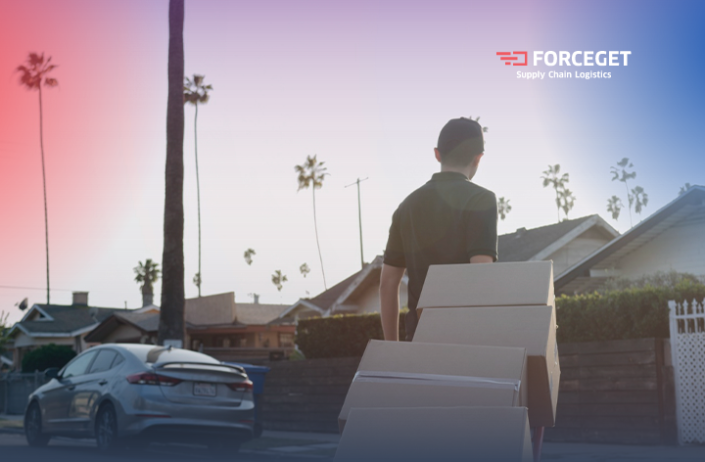
In the rapidly growing world of ecommerce and Fulfillment by Amazon (FBA), one of the most complex and cost effective stages of the supply chain is the last mile. Last mile delivery refers to the final step in the shipping process, getting a package from a distribution center or local hub to the customer’s doorstep.
While it may appear straightforward, this phase is filled with operational, financial, and logistical challenges. Rising customer expectations, demand for same day or next day delivery, and complex urban routing contribute to inefficiencies and high expenses.
This is where advanced logistics platforms like Forceget step in. By combining real time last mile delivery tracking, smart routing, localized fulfilment, and data backed carrier partnerships, Forceget simplifies last mile logistics for FBA sellers, ensuring speed, cost-efficiency, and satisfied customers.
What Is Last-Mile Delivery?
Last mile delivery is the final transportation phase in the ecommerce supply chain, where packages are moved from a warehouse or distribution point to the customer’s specified address. This segment often involves residential or retail deliveries and is usually handled by a last mile delivery service or specialized last mile carrier. It is sometimes referred to as final mile delivery or last mile delivery.
This phase is critical because it directly affects customer satisfaction. A delayed, misrouted, or poorly communicated delivery can damage a brand’s reputation and reduce repeat purchase intent.
As eCommerce volumes increase, the burden on last mile logistics infrastructure continues to grow, urging sellers and 3PLs to invest in real time last mile delivery tracking, automated dispatching, and smart routing.
What Does a Last-Mile Carrier Do?
A last mile carrier is responsible for executing the final hand off to the customer. Once a package is picked up from a fulfillment center or a last mile delivery station, it is routed for delivery through local networks.
Last mile carriers may include major logistics providers like UPS, FedEx, and DHL, or regional couriers operating within specific cities or states. In the case of Amazon, the company uses both Amazon Logistics and independent delivery service partners to cover this final stretch.
The duties of a last mile carrier include confirming delivery addresses, planning the most efficient delivery routes, updating last mile tracking numbers in real time, and handling delivery exceptions such as missed drops or failed signatures. In more advanced setups, they also send automated SMS or email updates to customers and offer features like contactless delivery or specific time windows.
Last-Mile Carrier Tracking
Last mile tracking enables both businesses and customers to monitor a package in real time as it moves through the final stages of delivery. Unlike traditional tracking that updates at warehousing checkpoints, last mile delivery tracking provides hyper local, event driven updates, such as “out for delivery,” “arriving soon,” or “delivered to doorstep.”
This visibility is crucial in an Amazon FBA environment, where customers expect transparency, speed, and the ability to communicate with carriers.
Platforms like Forceget combine last mile tracking directly into the seller’s dashboard, offering up to the minute insights into shipment status, delays, and exceptions. This reduces customer service inquiries and provides operational teams with immediate resolution tools.
The Importance of Last-Mile Delivery
The last mile often accounts for over 50% of total shipping costs. It is also the point where brands interact most directly with their customers. Late, lost, or inconsistent deliveries can affect customer trust, increase refund or return rates, and negatively impact a seller’s performance metrics, especially on platforms like Amazon, where high performance scores unlock better listing rankings and Buy Box eligibility.
Furthermore, final mile carrier performance impacts brand equity. Customers increasingly associate their overall shopping experience with how quickly and smoothly their product arrives. This makes efficient last-mile delivery logistics a competitive advantage and a cornerstone of ecommerce fulfillment.
The Challenges of Last-Mile Delivery
High Operating Costs
The biggest obstacle in last mile delivery is the disproportionate cost. Each delivery requires individual routing, fuel, manpower, and handling. Urban congestion, remote addresses, and failed delivery attempts drive these costs even higher. Without improved systems or strategic last mile delivery services, businesses face profit erosion and reduced scalability.
Lower Profit Margins
For FBA sellers who operate in price sensitive categories or compete on thin margins, inefficient last mile delivery can significantly wreck profitability. Paying premium rates for rush shipping or managing returns and reshipments can quickly turn an otherwise successful product line into a loss making segment.
Frustrated Customers
Modern shoppers demand fast, predictable delivery experiences. They want updates, control, and reliability. When shipments are delayed, lost, or arrive late without communication, customer trust takes a hit. Negative reviews, chargebacks, and brand switching often follow, all of which impact FBA performance metrics and long term seller success.
5 Ways How Technology Can Solve the Biggest Last Mile Delivery Challenges
Technology driven last mile delivery logistics solutions can help address core inefficiencies and customer pain points. Platforms like Forceget use advanced routing algorithms that reduce fuel usage and delivery time, real time last mile delivery tracking that updates customers proactively, and integrated dashboards that provide FBA sellers with performance analytics.
Micro fulfillment and local hubs reduce the distance between warehouse and customer, allowing faster and cheaper delivery. AI based demand forecasting upgraded inventory placement, while digital proof of delivery ensures transparency and resolution in case of disputes. These innovations transform last mile delivery from a cost center into a value driver.
Why Forceget Is the Top Last-Mile Delivery Service Provider
Forceget stands out as a last mile provider for its seamless FBA blending, scalable infrastructure, and focus on real time data. By combining fulfillment, warehousing, and final mile carrier operations into a unified platform, Forceget enables FBA sellers to control every aspect of their logistics workflow from one place.
Their last mile delivery service includes real time tracking, predictive delivery windows, and flexible local courier partnerships. For Amazon FBA sellers, Forceget ensures inventory is pre-positioned in proximity to high demand zones, which reduces both cost and delivery time. Unlike other providers, Forceget is purpose-built for ecommerce scale, offering customized shipping rules, multichannel fulfillment options, and dedicated customer support.
Last-Mile Delivery FAQs
What Does Accepted by Last-Mile Mean?
This status appears when a package is handed over from a centralized warehouse or distribution partner to the final mile carrier responsible for customer delivery. It signals that the shipment is now in its final transit phase and should reach the buyer within a short window.
How Long Does Last-Mile Delivery Take?
Depending on the carrier, location, and service level, last mile delivery typically takes between 1–3 days. Same day or next day delivery is possible in urban centers with well established logistics networks. Delays may occur in rural areas or during peak seasons.
How Are Customer Demands Reshaping Last-Mile delivery?
Today’s consumers expect real time updates, flexible delivery slots, and faster turnaround. This pressure is driving eCommerce businesses to adopt advanced last mile delivery tracking, offer contactless delivery options, and localize inventory to meet next day delivery expectations.
How Much Does the Last-Mile Cost?
The last mile can make up over half the total delivery cost, especially for low-volume or remote deliveries. Fuel, labor, failed attempts, and returns all contribute. Efficient routing, batching deliveries, and micro fulfillment centers help reduce these costs significantly.
What Is the “”Last-Mile Challenge””?
The last-mile challenge refers to the complexity, cost, and variability of delivering items individually to customers. Unlike bulk freight or warehouse to warehouse shipments, last mile delivery involves unique routing, real-time communication, and tight deadlines.
What Is First-Mile Delivery?
First mile delivery involves transporting goods from the manufacturer or supplier to the fulfillment center or warehouse. This phase kicks off the ecommerce logistics cycle and focuses on inventory intake, consolidation, and storage.